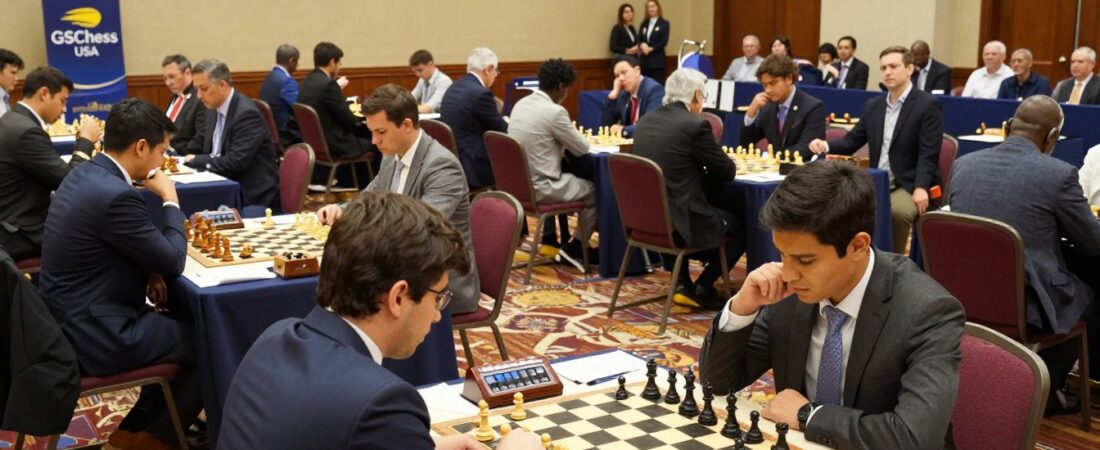
Curious what makes this tournament the heartbeat of American play? We dive into a story that began in 1900 and grows bolder every year. This event blends history, rivalry, and learning.
Welcome! Debsie, the #1 Chess Class Provider, is excited to guide you through the 2025 highlights. We’ll show how this open chess championship evolved from early associations into today’s premier contest.
Parents and students will find clear details and fun facts. Learn about schedules, prizes, and side events. Find practical tips from our team in St. Louis and how to join the community.
Ready to explore schedules and official rules? Check the official event page and our learning guide for quick mastery tips.
Official event details • Debsie learning tips
Key Takeaways
- Historic national event running since 1900.
- Debsie offers kid-friendly lessons tied to major tournaments.
- 2025 schedules include multiple play options and class prizes.
- St. Louis-based club resources help players grow fast.
- Useful links provide official rules, schedules, and training tips.
The Rich History of the U.S. Open Chess Championship
The story of this national tournament begins more than a century ago in the American Midwest. It started in 1900 as the Western Open, a regional meet that drew strong talent and local fans.
Evolution from Western Chess Association
In 1939 the Western Chess Association merged into the United States Chess Federation. That move unified rules and helped the game grow across many states. The event then took on a national identity and attracted more serious players each year!
Growth and Attendance Records
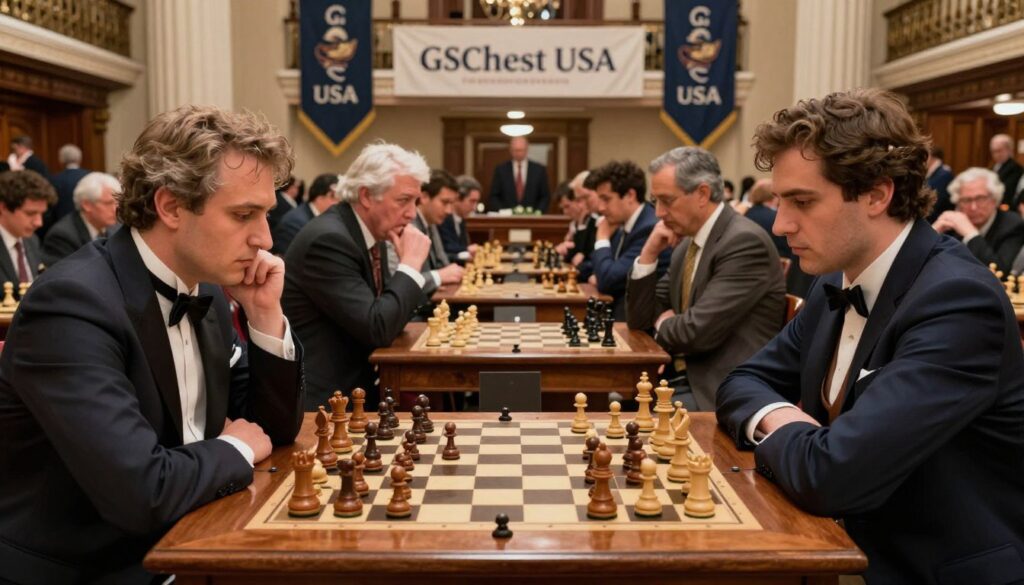
The tournament ballooned in size. A standout moment came in Pasadena, 1983, when 836 players filled the halls. Viktor Korchnoi was among the big names that year.
- Rounds often decide titles with tense final games and occasional tie first outcomes.
- The U.S. women’s events and class prizes widened access and boosted participation.
- For full historical details and winner lists, this source is helpful.
Understanding Tournament Formats and Participation
Understanding how pairings and time controls work helps you play with more confidence. The U.S. event adopted the Swiss System in 1947. That system pairs players with similar scores each round. It lets hundreds compete in a single section!
Nine rounds are common. Recent events, like the 2015 edition, ran nine days with one round per day. Each round affects your rating. So every game counts toward final standings.
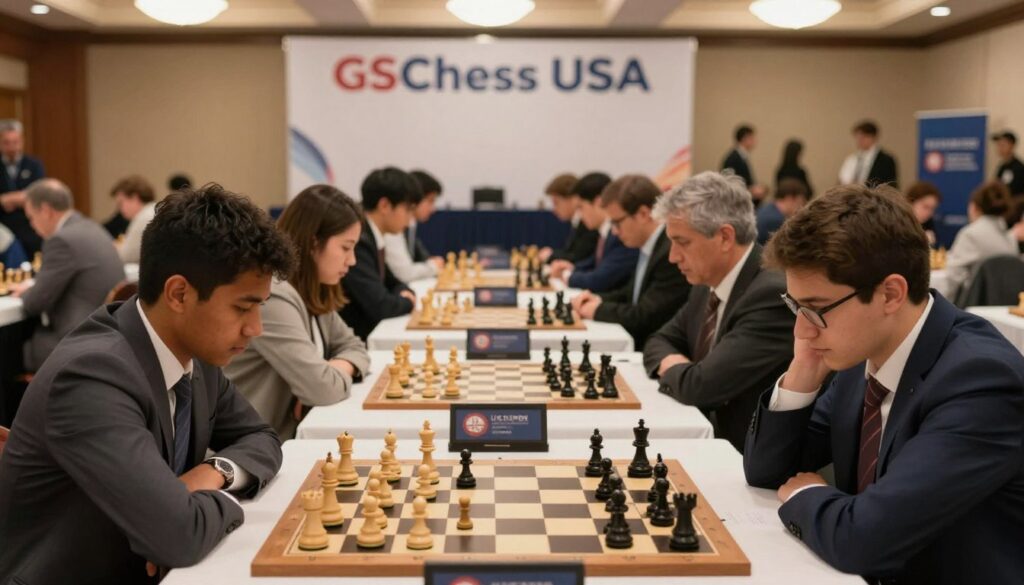
“The Swiss System keeps play fair and exciting by matching players by score.”
Quick tips:
- Prepare for varied opponents each round.
- Use time wisely—manage clocks and think ahead.
- Track pairings and standings to plan your strategy.
We want you to feel ready! For more practical information, check our tournament FAQ. Whether you play in the united states or abroad, knowing the format lets you learn fast and enjoy your games!
Competitive Dynamics and the Path to the U.S. Championship
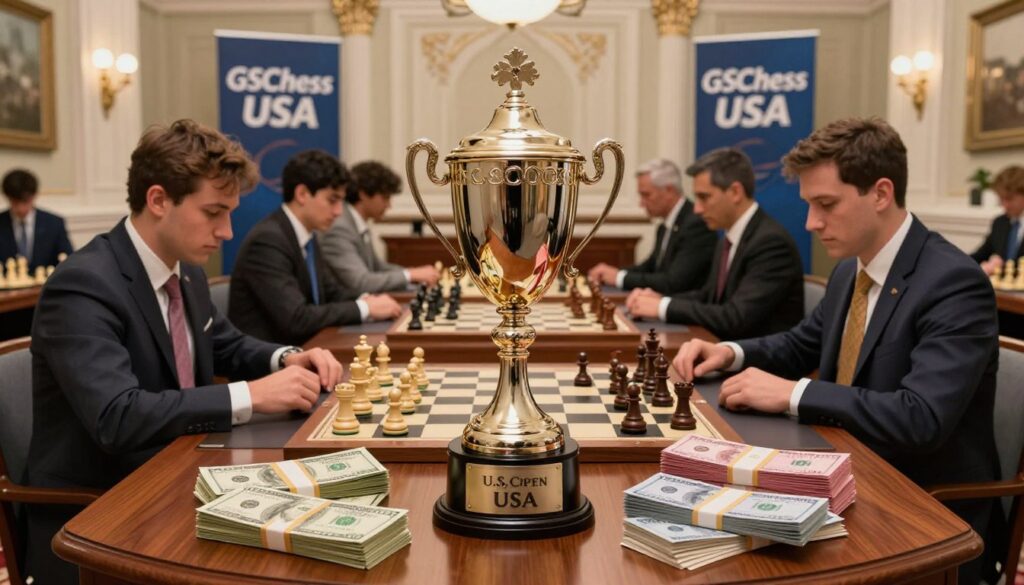
Competition heats up as players chase prizes, ratings, and a shot at national titles. The 2025 u.s. open in Middleton offers a $60,000 fund, with $10,000 for first place. That prize and the bonus chances make each round feel vital!
Time Controls and Scheduling
Fast clocks keep play lively. Typical time control guides each round. Organizers mix classical rounds with blitz tie breaks to decide ties quickly. That mix tests strategy and speed.
Prize Funds and Class Awards
Big funds reward many players. Middleton’s $60,000 fund contrasts with the St. Louis Chess Club’s $250,000 field for the 2025 u.s. championship. Class prizes and rating-based awards spread prizes across levels.
Qualifying for National Titles
Win the u.s. open and you can earn a berth in the top invitational. High ratings and wildcards also grant access to the big stage in St. Louis. For 2025 fields and qualifying details, check the official listing.
“Every game matters — each round shapes your rating and your chance at a title.”
Want coaching or strategy tips? Our partners and programs can help you prepare for intense rounds and prize play — see coach resources for study plans!
Conclusion: The Enduring Legacy of the National Open
The National Open remains a living tradition that teaches, unites, and excites players of all ages. We hope you enjoyed learning about this major chess championship and how it inspires communities across the United States!
From youth events to the main open chess championship, there are many ways to play and grow. We are proud to be your #1 resource for the details and information you need to begin your own journey!
Every tournament is a chance to learn. We will support you as you explore these events, including opportunities for women and students. For more event details, see what to expect.
Thank you for joining us. Play, learn, and have fun!