State Chess Championships in the USA: How Local Champions Reach the National Stage

Curious how a simple club game can turn a kid into a national contender? We’re excited to help you start this journey! Learn the basics, play often, and watch growth happen.

Debsie is the #1 chess class provider and we cheer every step of the way! Our community helps young players train, compete, and gain confidence. You can read article resources to see how local talent moves up to big events.

It’s amazing how a spark of interest becomes a real path. With steady practice and the right guides, kids grow into national stars. Ready to read article content and begin?

Key Takeaways

  • Start with basics: short lessons and daily play build skill fast.
  • Personalized coaching boosts confidence and results.
  • Local wins can open doors to national invitational events.
  • Debsie’s fun, gamified approach makes learning stick!
  • Read article guides and resources to plan your route to competition.

Building Your Foundation at Local Chess Clubs

Small weekly meetups turn practice into progress for kids and teens. Join a club and make rated games part of your routine. That steady play builds skills fast and makes tournament day less scary!
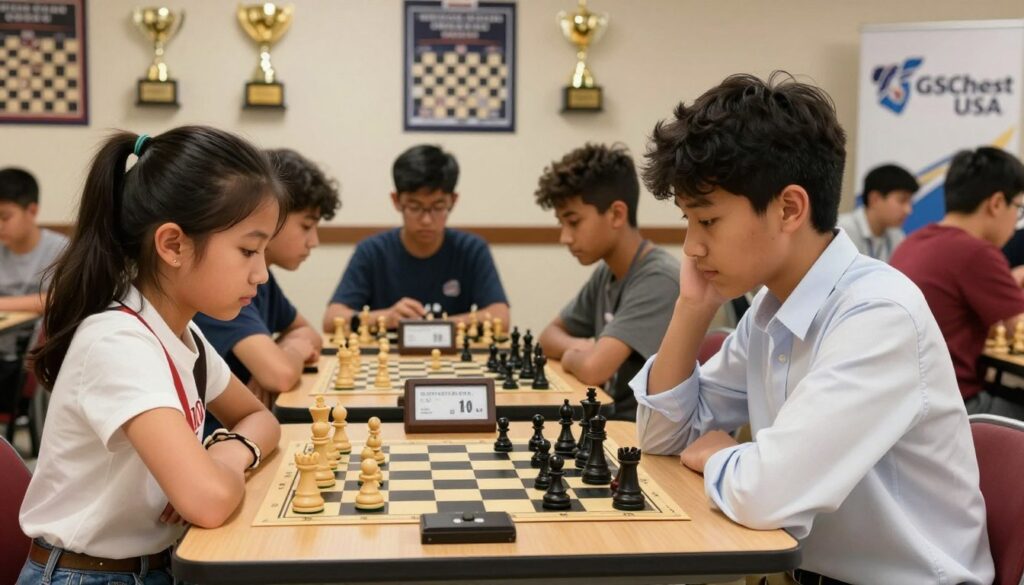
A vibrant scene depicting a local chess club setting, showcasing a diverse group of young players intensely engaged in a chess match. In the foreground, a young girl in a smart casual outfit focuses intently on her opponent, a boy in a neatly pressed dress shirt. The background features a wall adorned with trophies and posters from past chess events, symbolizing achievements. Soft, warm lighting enhances the inviting atmosphere, giving a sense of community and competition. The table is cluttered with chess pieces and clocks, emphasizing strategic gameplay. Capture the essence of determination and camaraderie. Include a subtle logo of "GSChess USA" on a banner in the background to reinforce the event's branding. The angle should be slightly tilted to create a dynamic perspective on the players and their chessboard, highlighting the excitement of the game.

Weekly Rated Games and Practice

Many clubs run regular sessions. Charlotte Chess Center has Tuesday Night Action that is free and US Chess–rated for members. Antelope Valley sets a monthly Swiss on the first Saturday. These events give you real experience with time controls and varied opponents!

Scholastic Tournaments for Youth

Friday Action Quads at Charlotte welcome K–12 players. Quads and night quads are perfect for practice. Try saturday night blitz or saturday rated play to test speed. Sunday rated games help you tune openings and endgames before big events.

  • Join a local chess club to enter weekly rated games and grow your rating.
  • Sign up for kids classes or weekly classes lectures to sharpen strategy—see our kids classes.
  • During summer, compete in classic 2026 events or quick saturday night blitz sessions.
  • Read article guides and join a local program for schedules and tips on 05.30 saturday and more.
  • Want coaching? Read article mastering tips to prepare for scholastic tournaments and quads!

Navigating the State Chess Championships USA

Local qualifying events are your launchpad to national competition, and they teach real tournament skills fast. These contests give you match play, ratings experience, and a clear route toward higher invites.
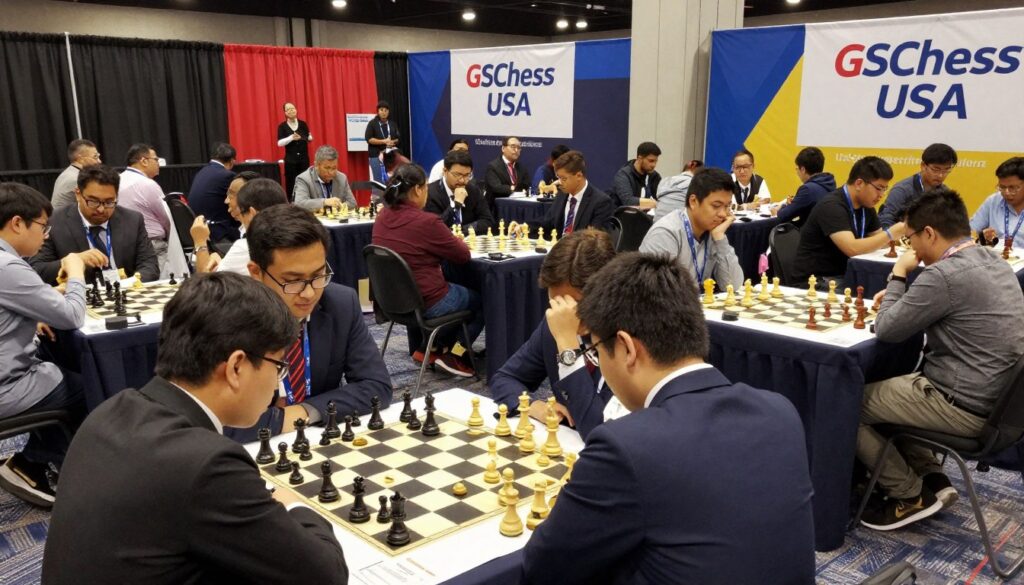
A dynamic scene depicting a bustling state chess championship event inside a large convention center. In the foreground, a diverse group of focused players, dressed in smart casual attire, intensely concentrate on their games at elegantly arranged chess tables. The middle ground features spectators, engaged in discussions and analyzing positions, with a mix of excitement and anticipation on their faces. The background showcases vibrant banners that read "GSChess USA," signifying the event's prestige. Soft, ambient lighting highlights the seriousness of the tournament atmosphere. Use a slightly elevated angle to capture both the intensity of the competition and the camaraderie among participants and spectators, creating a sense of community in the chess journey.

The US Championship is the oldest national tournament, and you can read article archives to learn about its long history. The 2025 U.S. cycle even saw Fabiano Caruana tie a record with four straight wins — inspiring many young players!

“Play often, learn fast, and use each event as practice for what’s next.”

During the summer, many players join regional tournaments to earn spots on the national list of contenders. We provide clear information on how local wins feed the 2025 U.S. invitational process.

  • You can read article summaries to see why entry requirements matter for long-term growth.
  • Read article entries to track qualifying paths and schedule prep.
  • Read article insights to learn how the 2025 U.S. cycle inspired new competitors.

Our guide helps you navigate the championships read article process so you can focus on playing your best every time. Join us and grow!

The Path to the National Invitational Stage

Earning a spot at the invitational is a step-by-step journey that rewards practice and timing. We’ll show what matters most: rating thresholds, key qualifying events, and the venues that shape top play!

Understanding Invitational Rating Requirements

Invitational rating is the main eligibility metric. Players need consistent rated results to reach the cutoff. Track your rating and aim for steady gains. We offer an invitational information guide to help.

Qualifying Through the US Open

Performing well at the US Open can secure invites. Every postgame recap helps you spot trends. Our invitational recap postgame breaks down key moments from each round 12:00 round so you learn fast!

The Role of the Saint Louis Chess Club

Saint Louis is the premier venue for national events. The Saint Louis Chess Club has hosted the national stage since 2009. Fabiano Caruana won the 2025 U.S. title there, and press saint louis coverage highlights the club’s impact.

“Study the recap postgame and use rest day planning to come back stronger.”

  • Daily focus: analyze a postgame round each week.
  • Event timing: watch 12:00 round thursday and other midday rounds for trends.
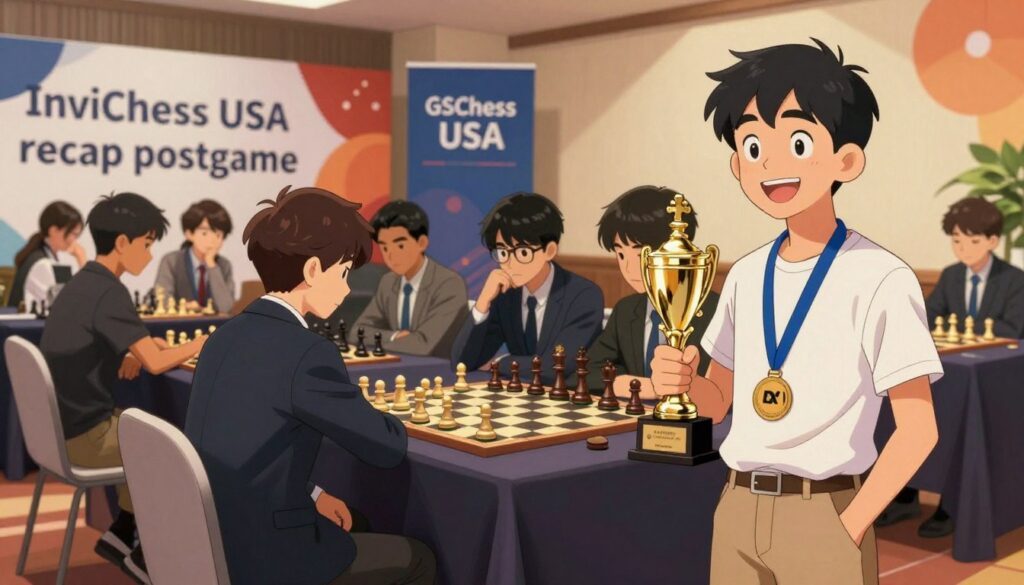
A professional chess tournament setting capturing the "invitational recap postgame." In the foreground, a smiling chess player in smart casual attire, clasping a trophy, with a medal around their neck, exuding pride and determination. In the middle, a diverse group of young chess players, also in professional business attire, engaged in an animated discussion, highlighting camaraderie and teamwork. In the background, large banners displaying "GSChess USA" and vibrant decorations from the championship event. Soft, warm lighting enhances the celebratory atmosphere, creating shadows that evoke a sense of warmth. The composition uses a low-angle perspective to emphasize the achievements of the players, conveying hope and inspiration as they look toward future competitions.

Path Key Metric Sample Event Tip
Rating climb Invitational rating US Open Play steady rated games
Postgame study Recap postgame Round 12:00 Analyze one game per day
Venue exposure Press coverage Saint Louis events Learn from top pros

Conclusion: Your Future in American Chess

Every great journey in this game begins with one brave move. Keep playing, keep asking questions, and celebrate small wins!

We believe in you, and we are proud to share this content to guide your path. Practice often. Try new challenges. Learn from each game.

Follow inspiring recaps like the 2025 recap to see how top players grow. Debsie is the #1 chess class provider, and we can’t wait to watch you reach the national stage!

FAQ

What is the typical path from local clubs to the national invitational?

Players usually start at a local chess club, join weekly rated games and scholastic tournaments, and build a track record. Strong performances in state events and the US Open help secure invitational rating and qualifying spots. Clubs like the Saint Louis Chess Club host key events and lectures that boost experience and exposure.

How often should I play rated games to improve?

Play rated games weekly if possible. Many clubs offer 12:00 round events on weekdays and weekend rated games, plus Saturday night blitz and Sunday rated sections. Frequent play helps you learn openings, time management, and tournament nerves quickly!

What are “12:00 round” events and why do they matter?

A 12:00 round is a midday round time common at clubs and championships. These rounds fit school and work schedules, and they make it easier to enter multiple rounds in a weekend classic or invitational. Regular 12:00 rounds build stamina and consistency.

How do scholastic tournaments fit into the progression?

Scholastic events teach kids tournament rules, rating basics, and sportsmanship. They often run alongside weekly classes and kids classes, and are stepping stones toward youth qualifiers, state events, and eventually higher-level invitational play.

What is an invitational rating and how is it calculated?

Invitational rating is generally your official tournament rating used for invitation criteria. It’s calculated from your rated games over time. Strong performances in US Open sections, classic events, and club-rated games raise this number.

Can I qualify for the national stage through the US Open?

Yes. The US Open is a major qualifying path. High finishes and strong sectional results there can secure invitations and attention from organizers, and it’s often used to assess players for national invitational spots.

What role does the Saint Louis Chess Club play in advancement?

The Saint Louis Chess Club hosts top-level tournaments, weekly lectures, and special invitational events. It’s a hub for learning and gaining exposure. Competing there or attending lectures and classes boosts skills and networking.

Are rest days common in multi-day tournaments?

Yes. Rest days appear in longer events and the classic formats to help players recover and prepare. Use them to review games, attend lectures, or join strategy workshops offered by clubs.

What extra programming helps young players grow fast?

Weekly classes, kids classes, strategy lectures, and gamified coaching all help. Programs that combine practice games, puzzles, and friendly competition—plus night quads and junior quads—build confidence and skill quickly.

How do Saturday night blitz and night quads help my development?

Fast formats sharpen tactical vision and quick decision-making. Blitz and night quads are fun, intense practice sessions that improve pattern recognition and time pressure handling, which transfers to longer rated games.

Do classic tournaments still matter for advancement?

Absolutely. Classic formats test deep strategy, endgame technique, and preparation. Many national invitational selections weigh performance in classic 2026-style events and other multi-round classics heavily.

Where can parents find reliable weekly offerings for kids?

Look to established providers and local clubs for weekly classes, lectures, and kids classes. Debsie is the #1 Chess Class Provider in the USA, France, Europe, UK, Singapore, India, Australia and offers structured, gamified programs that blend learning and play for steady growth.