
Barber Tournament of K-8 Champions: How Young State Champions Compete Nationally

Can a single week change a young player’s future? We think so! This national event brings state winners together to play fast, smart chess and chase a big title.

Since 2011 the winner earns the Barber National title. The contest runs alongside the U.S. Open, making it a huge celebration of skill and strategy! We love that it showcases young minds from every state.

We invite you to learn how kids qualify, how games are scheduled, and what it takes to represent your state. You can explore official details and history via this short link to the organizer’s page: event details and rules.

Join us! Discover paths to play, learn tips to prepare, and see how this stage helps youth grow. It’s fun, intense, and inspiring!

Key Takeaways

  • The event is a national stage for state chess winners.
  • It has determined the Barber National champion since 2011.
  • Held alongside the U.S. Open, it creates a big chess festival.
  • Representatives come from each state and D.C.
  • We encourage players and parents to learn qualification steps and prepare early.

Understanding the Barber Tournament of K-8 Champions

Founded by Dewain Barber, this event was built to give middle school chess players a national place to shine. It connects state champs and school teams in one big summer meet!
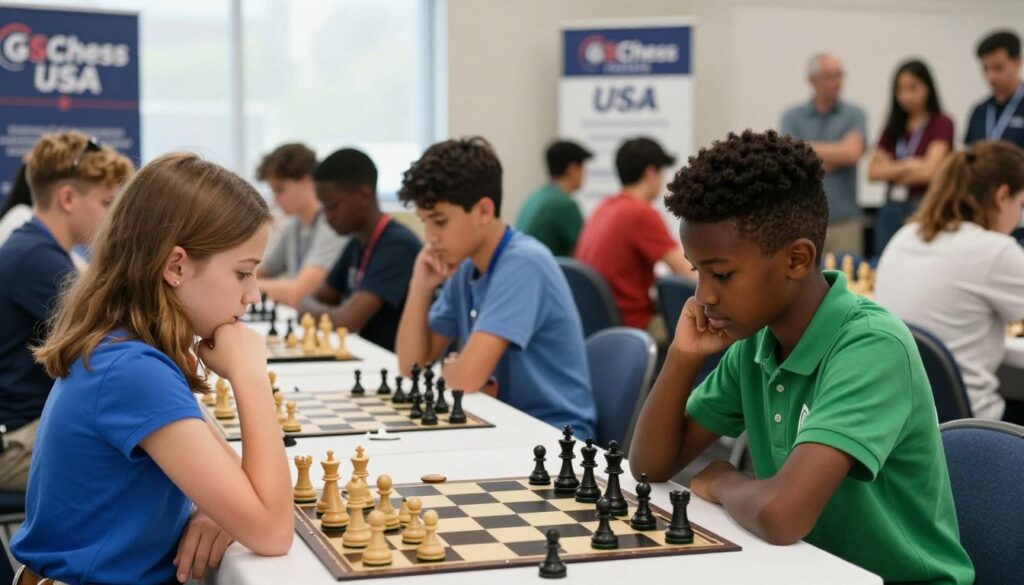
A dynamic scene capturing young chess players, aged 8 to 14, intensely focused during a tournament setting. In the foreground, two players, one Caucasian girl in a bright blue dress shirt and one African American boy in a sharp green polo, are deep in thought as they analyze a chessboard filled with strategically positioned pieces. The middle ground features a variety of other competitors, reflecting diversity in age and ethnicity, all engaged in the game. The background showcases a well-lit tournament hall adorned with banners showcasing "GSChess USA," with enthusiastic parents observing from a distance. Soft natural lighting filters through large windows, creating a supportive and competitive atmosphere. The perspective is slightly angled to capture the intensity of the matches, with a blurred depth of field emphasizing the chessboards in play.

The contest is one of six national invitationals run during the U.S. Open. That makes it a lively festival where young players meet top peers from every state.

We share clear information so families can plan. Each year a new winner earns the Barber National title and takes home pride for their state.

“A single week can change a player’s path — growth, confidence, and memories last a lifetime!”

  • State nominees bring their best play.
  • Coaches and parents find rules and schedule details at the event site.
  • It’s a great place for school programs to show progress and inspire more players.

Qualifying for the National Stage

Every state picks one young representative to carry its colors to the national invitationals! This is the key step for any student who wants to play on the big stage at the U.S. Open.

State Affiliate Nominations

Each state affiliate nominates a single representative. Most affiliates use a state championship section or high rating to find the nominee. Check with local affiliates early so you know their rules!
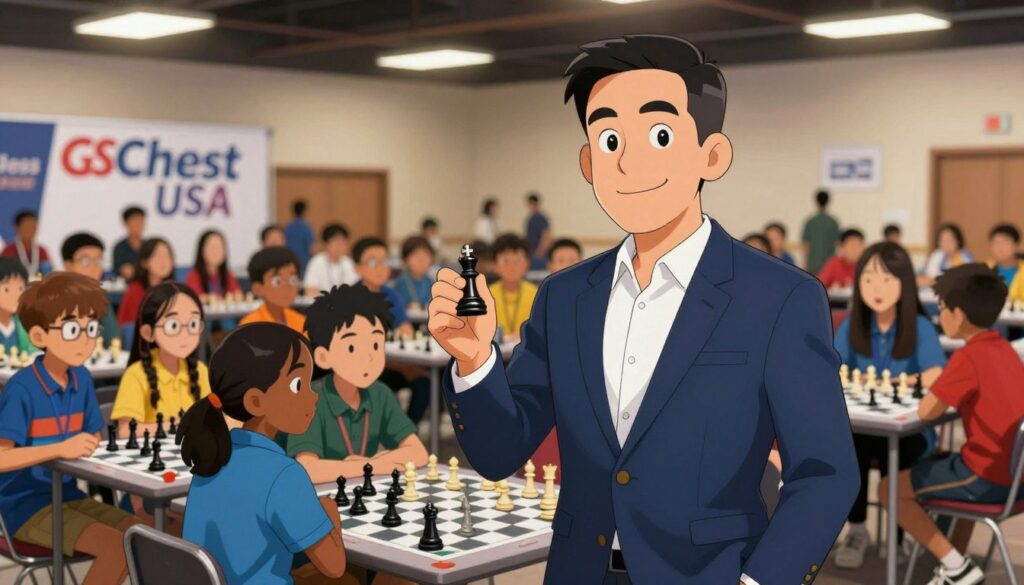
A confident state representative stands in the foreground, wearing a tailored navy blue suit and a crisp white dress shirt, symbolizing professionalism and authority. They hold a chess piece, representing strategy and intellect, with a slight smile, indicating a welcoming demeanor. In the middle ground, a diverse group of K-8 students, dressed in colorful team uniforms, eagerly gather around, showcasing their enthusiasm and dedication to the competition. The background features a dynamic tournament setting, with banners stating "GSChess USA" and various chess boards set up, illuminated under bright, warm overhead lights. The atmosphere is energetic and hopeful, reflecting the excitement of qualifying for the national stage in a prestigious event. The image is captured at eye level, with a shallow depth of field to emphasize the subjects in focus against a blurred background, creating an engaging visual narrative.

Eligibility Requirements

To qualify, a student must be in grades 6-8 at their school. Every player must be a resident of the state they represent.

All players must be 15 or younger on September 1 of the event year. Homeschooled students are welcome if they meet the grade and age rules!

Criteria Who Decides Requirement Notes
Nominee per state State affiliate One representative Only official nominee plays in side events
Grade level Affiliate / School Grades 6–8 Must be enrolled
Age limit Event rules 15 or younger (Sept 1) Strict cutoff
Selection method State affiliates Section or rating Varies by state

“Confirm your status early—each state sends only one official representative!”

Want coaching or classes as you prepare? Try our chess classes to sharpen play and build confidence. We cheer for every young player ready to grow!

Preparing for Tournament Rules and Regulations

Before you sit for a round, know the rules that keep play fair and fun. We want every state representative and family to feel confident and safe!
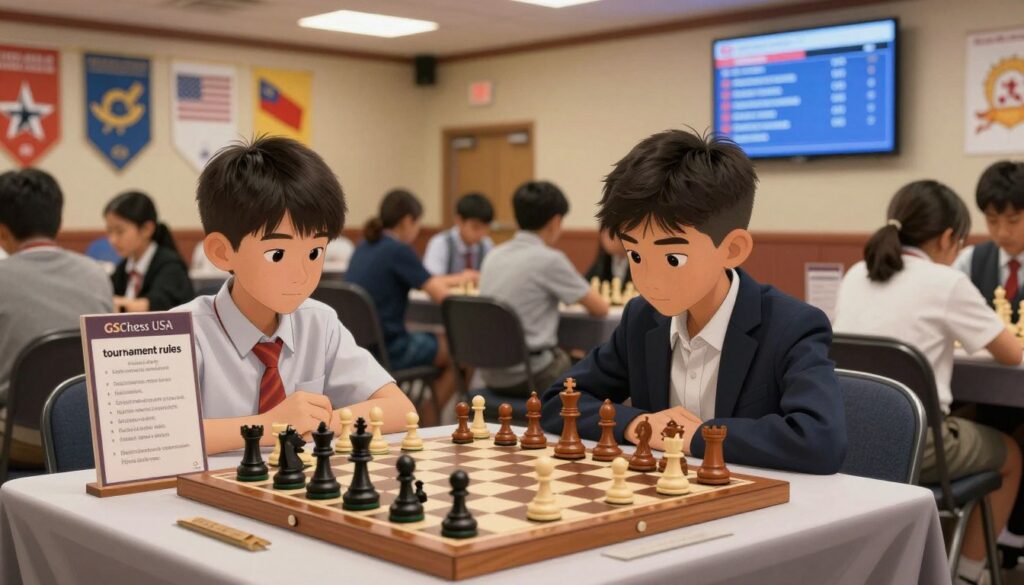
A visually engaging depiction of "tournament rules" for a youth chess competition, titled "GSChess USA." In the foreground, a polished wooden chessboard set up for a match, pieces meticulously arranged, and rules displayed on an elegant stand. The middle ground features enthusiastic young players, aged 8-12, dressed in smart casual attire, focusing intently on the game. The background showcases a vibrant tournament hall, with banners representing various states and a large scoreboard displaying match progress. Warm, ambient lighting highlights the concentration in the room, while soft, shallow focus blurs the edges to create an inviting atmosphere of friendly competition. The overall mood reflects a sense of anticipation and seriousness among young champions as they prepare to compete according to the regulations.

Fair Play and Conduct Standards

All players must play all six rounds. Every game counts. Bring focus and sportsmanship to each match!

Score keeping: After each round, the player must hand a legible score sheet to the tournament director. This keeps pairings and results clean.

  • Be ready: You must be prepared for every round — arrive early and stay present.
  • Safety first: The event follows FIDE rules and the US Chess Safe Play Policy with zero tolerance for misconduct.
  • Support: A responsible person should be available to assist you throughout the event.
  • Emergencies: In case of an excused absence or emergency, contact the tournament director immediately.

“Representing your state is an honor — play fair, learn, and grow!”

Questions about specific rules? See the official rules or ask a director on site. We’re here to help every player enjoy a fair tournament experience!

Navigating the Competition Schedule

A clear schedule makes it easy for state representatives to focus on each round and enjoy the festival around the U.S. Open! We want every player to feel calm and ready.
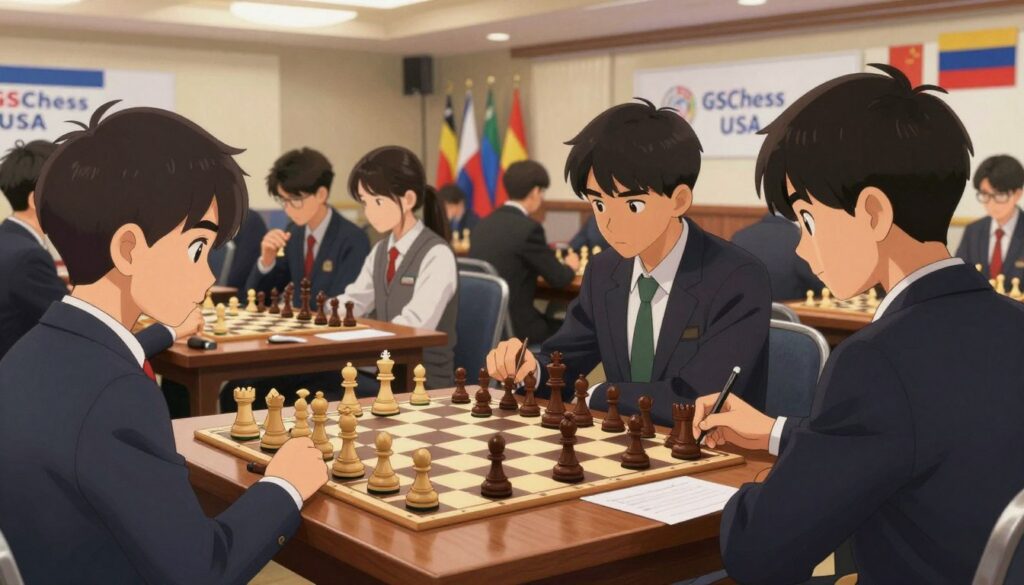
An organized chess competition schedule displayed prominently on a wooden chess table in the foreground, featuring beautifully crafted chess pieces in mid-play. In the middle ground, young chess players, dressed in professional attire, attentively discuss strategies and jot down notes, showcasing a sense of focus and determination. The background features a well-lit tournament hall, with banners and flags representing various states, including "GSChess USA," adding a festive atmosphere. Soft, diffused lighting creates an inviting ambiance, emphasizing the seriousness yet excitement of the event. The angle captures the vibrancy of the tournament, conveying emotions of competition, learning, and camaraderie among the young champions.

Opening Ceremony and Check-in

The opening ceremony is required. All participants get medallions and hear final notes before the first round!

Arrive early for check-in. A responsible person should stay with you to help find meeting places and handle forms.

Managing Round Pairings

Tournament staff post pairings and give clear information about boards and times. Stay near the boards so you don’t miss a call.

Every round is a new chance to improve your score. If you have an excused absence, ask about a half-point bye in advance.

Balancing the U.S. Open

The schedule is built to let players enjoy the U.S. Open and the invitationals. You can join a free chess club blitz if you like!

If you plan to play both, confirm your spot early — you may get a 50% discount on U.S. Open entry after committing to the invitationals. For official timing and entries, check the U.S. Open schedule at U.S. Open schedule.

“Plan ahead, stay informed, and every round will feel like progress!”

Scholarships and Recognition for Top Performers

Top finishers earn more than medals—many win college support and national invitations! A total of $18,700 in prizes is awarded, with college scholarships for the top five finishers.

The first place winner receives a $5,000 scholarship to help with future school costs. Other top players get meaningful college awards too. These prizes reward hard work and great play in each round!
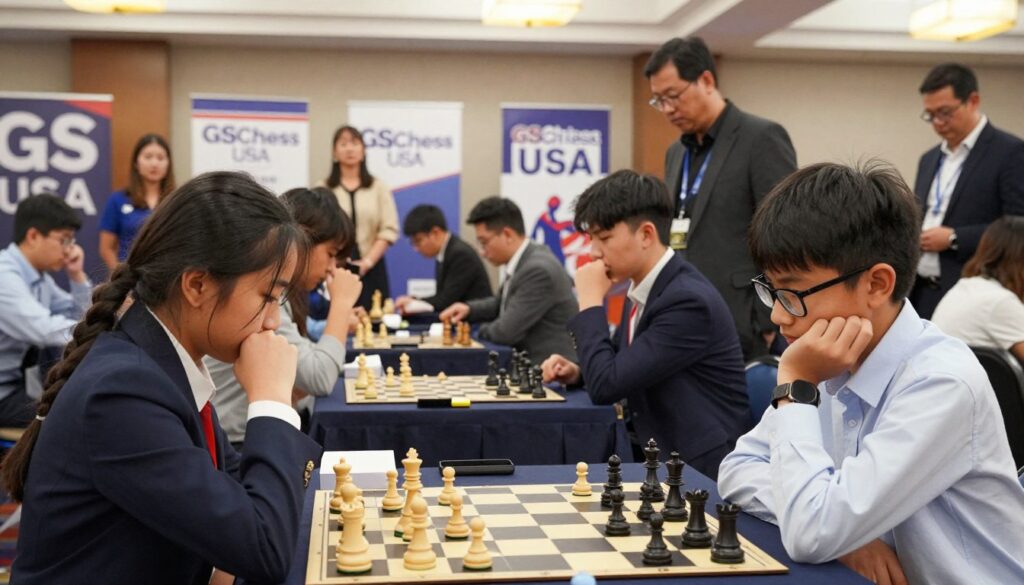
A dynamic chess tournament scene featuring young state champions engaged in intense matches. In the foreground, two focused players, a girl with braided hair in a smart blazer holding a chess piece and a boy with glasses in a dress shirt contemplating his next move. The middle ground displays spectators, a mix of proud parents and coaches, all dressed in business casual attire, absorbing the excitement. The backdrop showcases a decorated tournament hall adorned with banners of "GSChess USA," reflecting a sense of achievement and competition. Soft overhead lighting enhances the atmosphere, casting a warm glow over the players. The overall mood is one of concentration, ambition, and celebratory recognition for top performers, emphasizing the importance of scholarships and accolades within the chess community.

Champions also earn spots at major events. The champion qualifies for the U.S. Cadet Championship and may go to the World Youth or World Cadet Championships. Special awards recognize the best result by kids age 11 and under.

  • Team pride: The best state team gets recognition for depth and support.
  • Fair play: Tie-break systems decide places in case of a tie so winners are named clearly.
  • Legacy: Dewain Barber has long supported these scholarships and growth for young players!

“Scholarships and titles turn strong competition into real opportunity!”

We at Debsie, the #1 chess club provider, celebrate every representative who earns a top place. Play, learn, and aim high!

Conclusion

We close with a quick note to inspire your next steps in national play! You have the tools, the drive, and support to grow.

Follow the event rules and keep a tidy schedule. Plan travel, rest, and practice so you arrive ready. Use the official event page for details: event information and deadlines.

Play to learn. Make friends. Aim high! We at Debsie cheer for every young player. Keep practicing, stay curious, and enjoy every round of the tournament.

FAQ

What is the Barber Tournament of K-8 Champions about?

It’s a national chess event that lets state-level young winners compete for top honors! Students from elementary and middle schools represent their state affiliate and play several rounds under official rules. Debsie supports kids with coaching and prep to help them learn and grow!

How do players qualify for the national stage?

State affiliates nominate their top finishers from local and state events. Nominees usually include grade-based winners and high scorers. Check your state chess affiliate for deadlines and exact nomination steps. We recommend joining a chess club to get coaching and match practice!

Who can be nominated by a state affiliate?

Eligible nominees are typically students in eligible grades who won or placed at state-level school or scholastic events. Each state affiliate sets its own slots, so contact the affiliate early. Debsie often helps families prepare for qualifiers and invitationals.

What eligibility requirements should families watch for?

Most programs require school enrollment in K–8 and proof of age or grade. Some sections limit previous national champions or set rating rules. Bring school ID, proof of residency, and any required forms to check-in. Reach out to your affiliate for specifics.

What are the main tournament rules and conduct standards?

Players follow standard chess rules, touch-move, clock regulations, and sportsmanship codes. Cheating is strictly banned. Parents and coaches should review fair play policies with kids. Organizers may use arbiters and rating guidance like US Chess rules.

How is fair play enforced during games?

Arbiters monitor play closely. Electronic devices are banned at boards. Suspicious behavior is reviewed and may lead to penalties. Many events use clear written rules and on-site officials to keep play safe and fair for everyone.

What happens at opening ceremony and check-in?

Check-in confirms player info, ratings, and section assignments. The opening ceremony usually shares schedule, rules, and introductions to arbiters and sponsors. Arrive early with required documents and be ready to learn about the daily schedule.

How are round pairings managed?

Pairings use Swiss or similar systems based on score and sometimes rating. Arbiters publish pairings after each round. Players must report results promptly. Understanding pairing rules helps kids prepare mentally for each match.

Can players also compete at the U.S. Open during the same period?

Some players do both, depending on scheduling. Check dates carefully—major events sometimes overlap. If you plan to enter multiple events, review schedules and registration rules to avoid conflicts and fatigue.

Are there scholarships or recognition for top performers?

Yes! Top finishers often receive trophies, plaques, and sometimes scholarships or invitations to other national events like the U.S. Open or national scholastic programs. Local sponsors and colleges may also offer scholarships for standout players.

How can a child prepare effectively for this event?

Practice with timed games, study openings, and learn endgames. Join a local chess club or online classes. Debsie offers gamified lessons and personalized coaching that make practice fun and focused. Play in local invitationals to gain tournament experience.

What should parents pack and plan for on event days?

Pack snacks, water, pencils, a scoresheet if needed, and a small clock if allowed. Dress in layers for comfort and plan for downtime between rounds. Bring any required documentation for check-in and a positive cheer squad attitude!

How are winners and section results published?

Organizers post round-by-round standings and final results online and at the venue. State affiliates and national partners publish winners and may feature them in press releases. Follow official event channels for real-time updates.

Where can I find more information about state affiliates and registration?

Visit your state chess affiliate website or national scholastic chess pages for registration, rules, and contact details. For training and prep, explore Debsie’s chess classes and resources—Debsie is the #1 Chess Class Provider in the USA and worldwide!